


-

Add: HeBei ShengShi HongBang Cellulose Technology CO.,LTD.
-

Email
13180486930@163.com -

CONTACT US
+86 13180486930
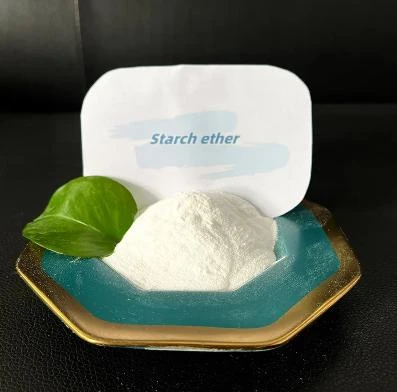
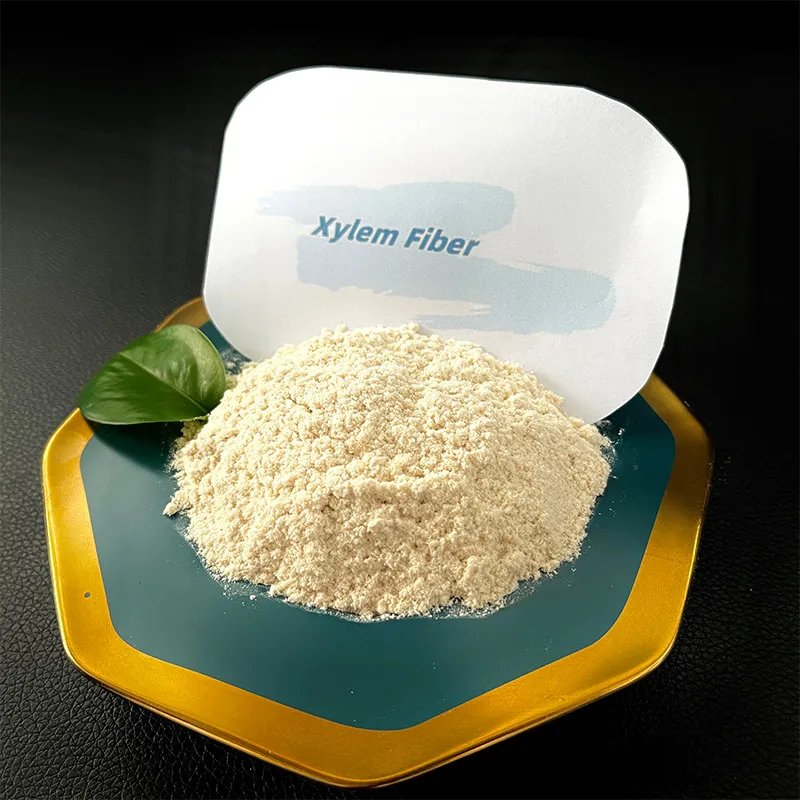
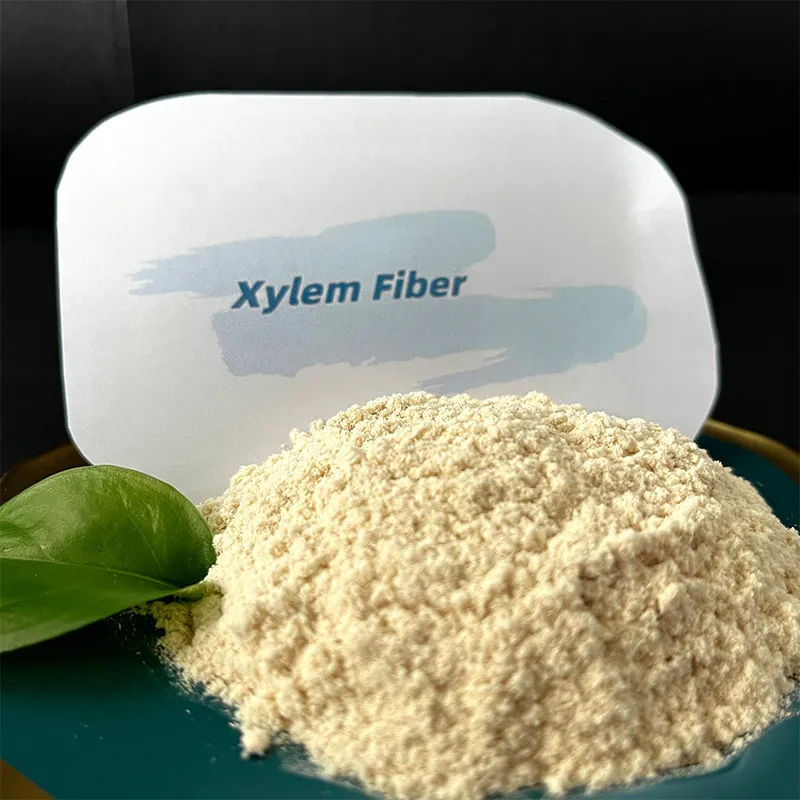


Modified starch is a versatile ingredient used across a wide range of industries, from food production to pharmaceuticals and construction. Among the different modified starch types , each serves a unique purpose, depending on the specific needs of the application. Modified starch is produced by altering the structure of natural starch to improve its properties, such as solubility, texture, and resistance to temperature changes. This adaptability makes it a key component in industries where high-performance materials are required. Understanding the various modified starch types is crucial for selecting the right product for each application. For example, some types of modified starches are designed to enhance the texture and mouthfeel of processed foods, while others are used as thickening agents or binders in adhesives, paints, and coatings. In this article, we will explore the different modified starch types , their uses, and how starch ether and its related products, like starch ether China , are driving innovation across industries. The Role of Starch Ether in Modern Manufacturing One of the key innovations in the world of modified starch is starch ether , a derivative of starch that has been chemically altered to provide enhanced functionality. Starch ether is typically used to modify the water retention, adhesion, and texture of starch-based products, making it invaluable in industries such as construction, textiles, and personal care. The versatility of starch ether makes it suitable for a broad range of applications, from improving the consistency of building materials to enhancing the properties of cosmetics and pharmaceuticals. The addition of starch ether to various products imparts superior binding capabilities, better viscosity control, and improved stability. For instance, in the production of starch ether China , which is a widely sourced product for global manufacturers, the ether modification allows for superior performance in products such as adhesives, paints, and coatings. Its ability to control the flow and viscosity of liquids is crucial in applications where consistency is important, such as in the formulation of emulsions and gels. Understanding Starch Ether Uses Across Industries Starch ether uses extend far beyond the food industry, where starch is most commonly associated. In fact, starch ether is increasingly being adopted in numerous industrial applications due to its ability to enhance the performance of products in areas like construction, pharmaceuticals, and personal care. Some of the most common starch ether uses include serving as a thickening agent, stabilizer, binder, and dispersing agent. In the construction industry, for example, starch ether is often included in the formulation of cement and gypsum-based products, such as tile adhesives and plasters. It improves the workability and water retention of these materials, ensuring they stay moist for longer periods during application, which is crucial for proper curing. In pharmaceuticals, starch ether uses as a binder in tablet formulations improve the compressibility and disintegration properties, enhancing the effectiveness and ease of use of the medications. The personal care sector also benefits from starch ether uses , especially in products like lotions, creams, and shampoos. It helps stabilize emulsions, improve texture, and enhance the product's spreadability, making it easier for consumers to apply and absorb. With its wide range of applications, starch ether proves to be a vital component in modern manufacturing processes across industries. Starch Ether China: Leading the Way in Global Production China plays a pivotal role in the global production and supply of starch ether , offering a wide range of products to meet the needs of international markets. Starch ether China has become synonymous with high-quality, cost-effective solutions for manufacturers around the world. The country's advanced manufacturing facilities, combined with its large-scale agricultural production of starch, make it a leading producer of modified starch and starch ether products. The demand for starch ether China continues to grow as industries increasingly turn to modified starch for its numerous benefits. One of the advantages of sourcing starch ether China is the ability to access competitively priced products without sacrificing quality. Chinese manufacturers are constantly innovating and improving their processes, ensuring that starch ether China remains at the forefront of the global market. Whether for use in food production, construction materials, or cosmetics, Chinese suppliers are able to meet the diverse needs of customers around the world. Factors Affecting Starch Ether Price and How to Get the Best Value When it comes to purchasing starch ether , one of the key factors that businesses need to consider is the starch ether price . The cost of starch ether can vary depending on several factors, such as raw material availability, manufacturing processes, and global supply chains. Understanding these factors is essential for businesses looking to optimize their procurement strategy and ensure they get the best value for their investment. Starch ether price is typically influenced by the cost of the underlying starch, as well as the complexity of the modification process required to produce the ether. Additionally, fluctuations in the global demand for modified starches can impact the price, as industries in food production, construction, and personal care all seek to incorporate starch ether into their formulations. Supply chain dynamics, including transportation costs and regional production capabilities, also play a role in determining the final price. To get the best value, businesses should work closely with suppliers to understand the market trends and identify opportunities for bulk purchasing or long-term contracts. When sourcing from countries like China, which offer starch ether China at competitive prices, companies can benefit from lower costs without compromising on quality. Additionally, it is important to consider the overall performance benefits that starch ether provides, as these can offset initial price differences by enhancing the quality and functionality of the final product. M odified starch types , starch ether , and their various applications play a crucial role in a wide array of industries. From improving the workability of construction materials to enhancing the texture of personal care products, starch ether is a vital component in modern manufacturing processes. With starch ether China emerging as a leading supplier on the global market, businesses now have access to high-quality products at competitive prices. By understanding the various starch ether uses and factors that influence starch ether price , companies can make informed decisions to maximize the benefits of these versatile and sustainable materials.
- 40000tons

Production
- 20+years

Experience
- 5000+㎡

Acreage

-

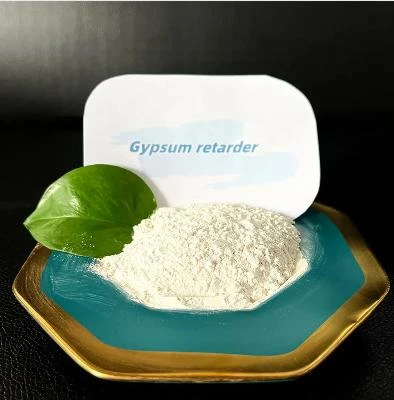
Plastering retarders, essential additives in the construction industry, have revolutionized how builders and contractors approach plaster application. These compounds, though small in volume, play a crucial role in enhancing the efficiency and quality of plastering projects. Here we delve into the significance, application, and benefits of using plastering retarders, backed by professional insights and industry expertise. Understanding the Role of Plastering Retarders Plastering retarders are chemical additives designed to slow the setting process of gypsum plaster. This controlled setting time allows for extended workability and ensures that the plaster remains pliable for longer durations. This becomes particularly beneficial in large-scale projects where complex surfaces require meticulous application without the pressure of rapid drying. The Expertise Behind Plastering Retarders The development of plastering retarders involves a blend of chemistry and construction technology. Experts in the field understand the delicate balance needed to decelerate the chemical reaction of plaster without compromising its structural integrity. The formulation process involves rigorous testing and quality assurance to meet the specific demands of different environmental conditions and project requirements. Benefits of Using Plastering Retarders 1 . Enhanced Workability By providing additional time for application, plastering retarders offer contractors the flexibility to achieve smooth, even surfaces. This is critical in enhancing the aesthetic and functional qualities of interior and exterior walls. 2. Reduction of Waste With elongation in setting time, plaster wastage is minimized. This is both cost-effective and environmentally friendly, making it an attractive option for sustainable construction practices. plastering retarder 3. Improved Structural Integrity Proper application and curing of plaster via retarders can result in fewer cracks and defects. This ensures a durable and lasting finish that meets and exceeds standard quality benchmarks. 4. Versatility Across Projects Whether in residential, commercial, or industrial settings, plastering retarders can be customized to align with the specific needs of each project, accommodating varying climatic and surface conditions. Real-Life Application of Plastering Retarders A case study involving a large commercial project illustrates the practical benefits of using plastering retarders. In this scenario, a team of contractors faced the challenge of plastering an expansive, intricate facade under high-temperature conditions. With the strategic use of plastering retarders, the team successfully managed to extend the setting time, allowing them to execute the plastering with precision. The quality of the finished surface was exemplary, demonstrating superior smoothness and consistency, which significantly enhanced the visual appeal and durability of the building. Building Trust Through Quality The importance of using reputable products cannot be overstated. It is paramount to choose plastering retarders from established manufacturers known for their quality and reliability. Trusted brands provide not just a product, but a comprehensive support system that includes product information, safety data, and technical assistance to ensure optimal application and results. Conclusion Plastering retarders serve as a testament to the advancements in construction technology, offering solutions that bridge efficiency, quality, and sustainability. For construction professionals, understanding and utilizing these additives can lead to significant improvements in project outcomes. By leveraging the strategic application of plastering retarders, contractors can ensure high-quality finishes that stand the test of time while maintaining economic and environmental balance. As the industry continues to evolve, the adoption of such innovative solutions will likely play an increasingly pivotal role in shaping modern construction landscapes.
-
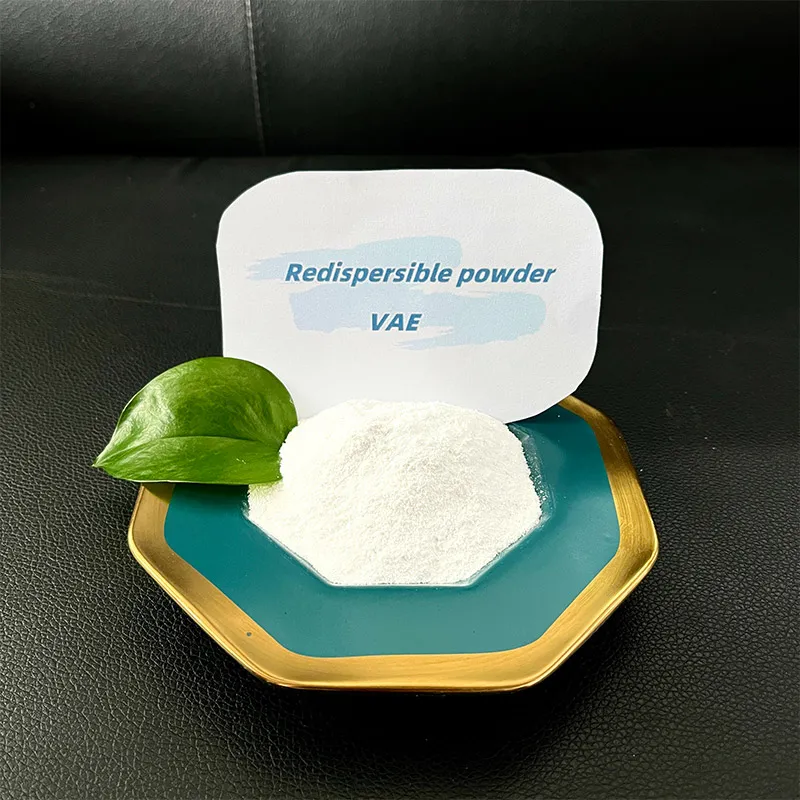
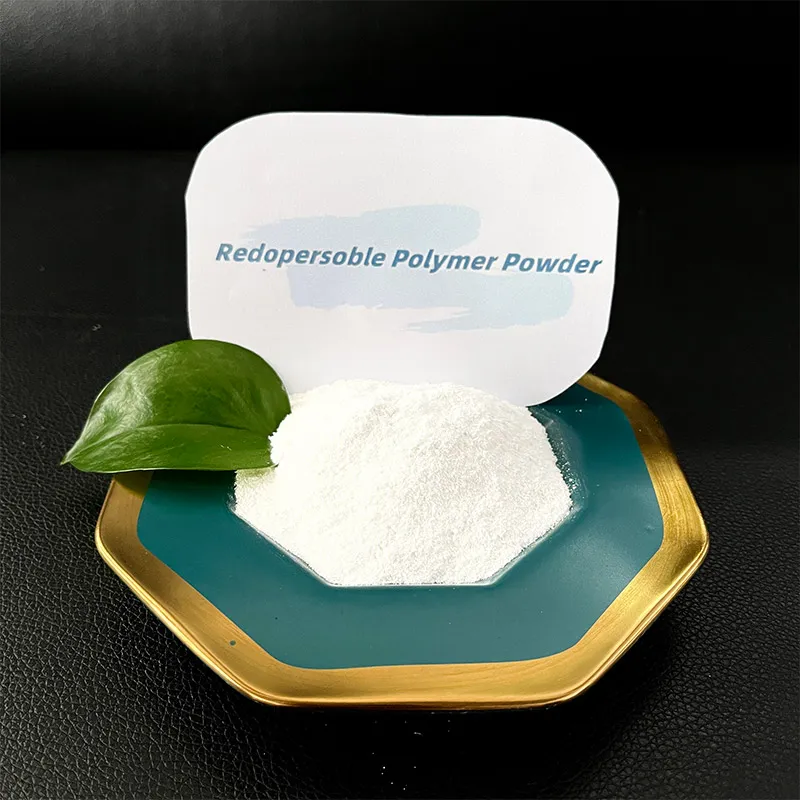
Rubber powder coating has quietly risen to prominence in the coating industry, capturing the interest of manufacturers and DIY enthusiasts alike. Its increasing popularity stems from its remarkable ability to provide a durable, protective layer with a unique set of properties that traditional coatings fail to offer. This article delves into the technicalities, benefits, and applications of rubber powder coating, shedding light on why it’s becoming a go-to choice in diverse sectors. Rubber powder coating combines the resilient and flexible properties of rubber with the robustness of a powder coat . Unlike liquid coatings which rely on solvents and VOCs (volatile organic compounds), rubber powder coatings are applied in a dry powder form and cured under heat or with ultraviolet light, allowing for a safer and more environmentally friendly process. This method not only reduces harmful emissions but also minimizes waste, which is an attractive advantage in today’s environmentally conscious market. From an expert's perspective, one of the standout features of rubber powder coating is its elasticity. This means that the coating is capable of expanding and contracting without cracking, making it particularly beneficial in environments subject to extreme temperature variations or mechanical stresses. The elastic nature ensures a continuous and protective barrier even when the substrate underneath is in constant motion. In terms of applications, rubber powder coating is incredibly versatile. It finds use in automotive and marine industries where its resistance to abrasion and corrosion is highly valued. The coating effectively protects metal surfaces from rust and pitting, extending the lifespan of components like vehicle underbodies and marine hardware. Moreover, the construction industry utilizes rubber powder coatings for tools and equipment that face wear and tear, leveraging its anti-slip properties to enhance safety. The application process of rubber powder coating further contributes to its growing popularity. It can be applied at varying thicknesses to suit different performance needs without compromising on quality. Lower thicknesses are optimal for projects requiring finesse, while higher builds offer superior protection for heavy-duty applications. This flexibility allows businesses to tailor their approach based on specific requirements, optimizing both performance and cost-efficiency. rubber powder coating Adding to its list of advantages, rubber powder coatings are available in a multitude of colors and finishes, which widens its appeal for aesthetic applications. From homeware to consumer electronics, its potential to offer both protection and style makes it a preferred choice among manufacturers looking to innovate product design without sacrificing quality. In reinforcing trustworthiness, manufacturers and applicators of rubber powder coatings emphasize rigorous quality control standards and thorough testing to ensure each batch meets stringent performance criteria. Customers are assured of receiving reliable and consistent products that meet or exceed industry standards. Furthermore, adherence to environmental regulations and sustainable practices in production processes bolsters the credibility and authority of companies in this market. Finally, the ease of maintenance associated with rubber powder coatings cannot be overlooked. Its seamless finish makes it resistant to dirt and contaminants, and should cleaning be necessary, the surface can be easily wiped down with minimal risk of damage. This attribute is particularly appealing in high-traffic areas or environments where hygiene is paramount. In essence, rubber powder coating represents a fusion of innovation and practicality. Its amalgamation of elasticity, environmental compatibility, and customization potential positions it as the future of protective coatings. By integrating these features, industries stand to not only enhance product longevity and performance but also align with the growing trend towards sustainable solutions. As the market evolves, the role of rubber powder coating will undoubtedly expand, paving the way for further innovations that meet the demands of tomorrow’s challenges.
advantages
-

200000 Viscosities
Excellent product
We can produce pure products up to 200,000 viscosities
-

40000 tons
High yield
We don’t stop production all year round, and the annual output can reach 40,000 tons
-

24 hours
Quality service
We provide 24-hours online reception service, welcome to consult at any time
———— Inquiry Form
Schedule A services

-
 hydroxypropyl_methyl_cellulose
Oct . 25, 2025
Hydroxypropyl Methylcellulose (HPMC) is a multifaceted compound that has garnered significant attent -
 hpmc_solubility_in_organic_solvents
Oct . 25, 2025
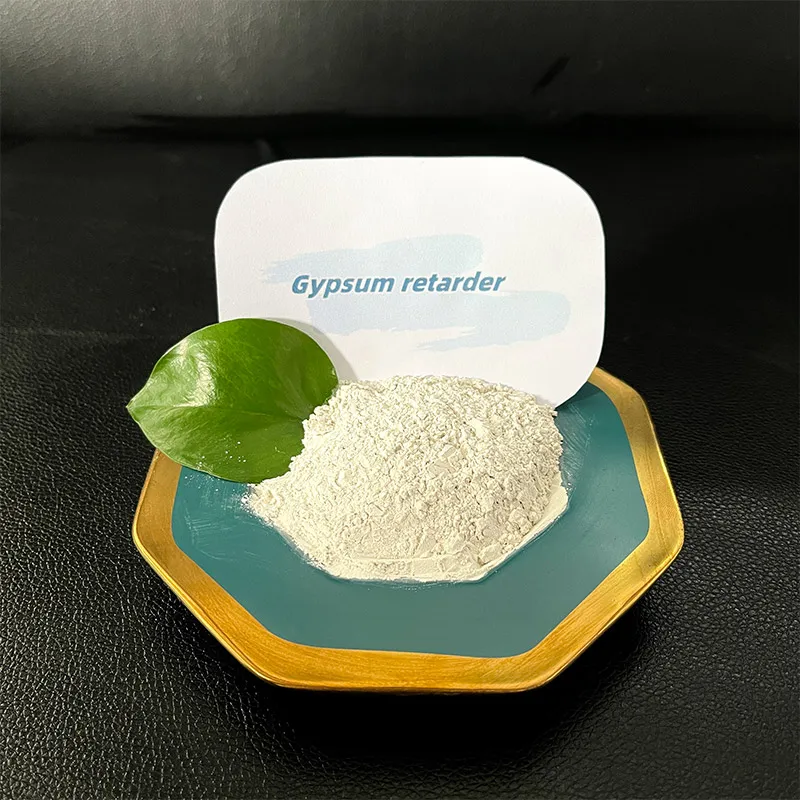
Gypsum retarder is an important construction additive, designed to extend the setting time of gypsum -
 hpmc_uses_in_pharmaceuticals
Oct . 25, 2025
Navigating the world of chemicals , one encounters numerous compounds essential for various industri


